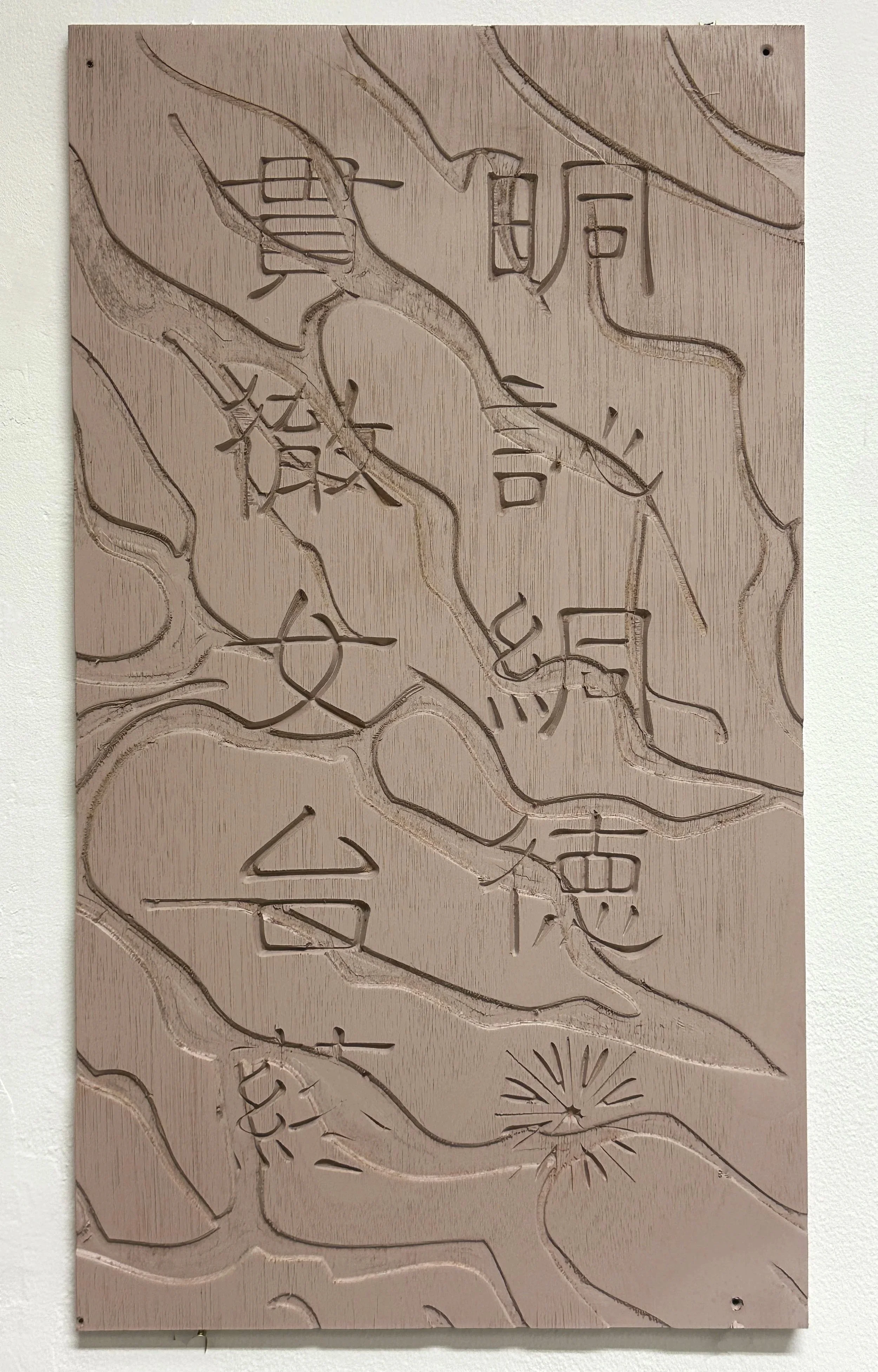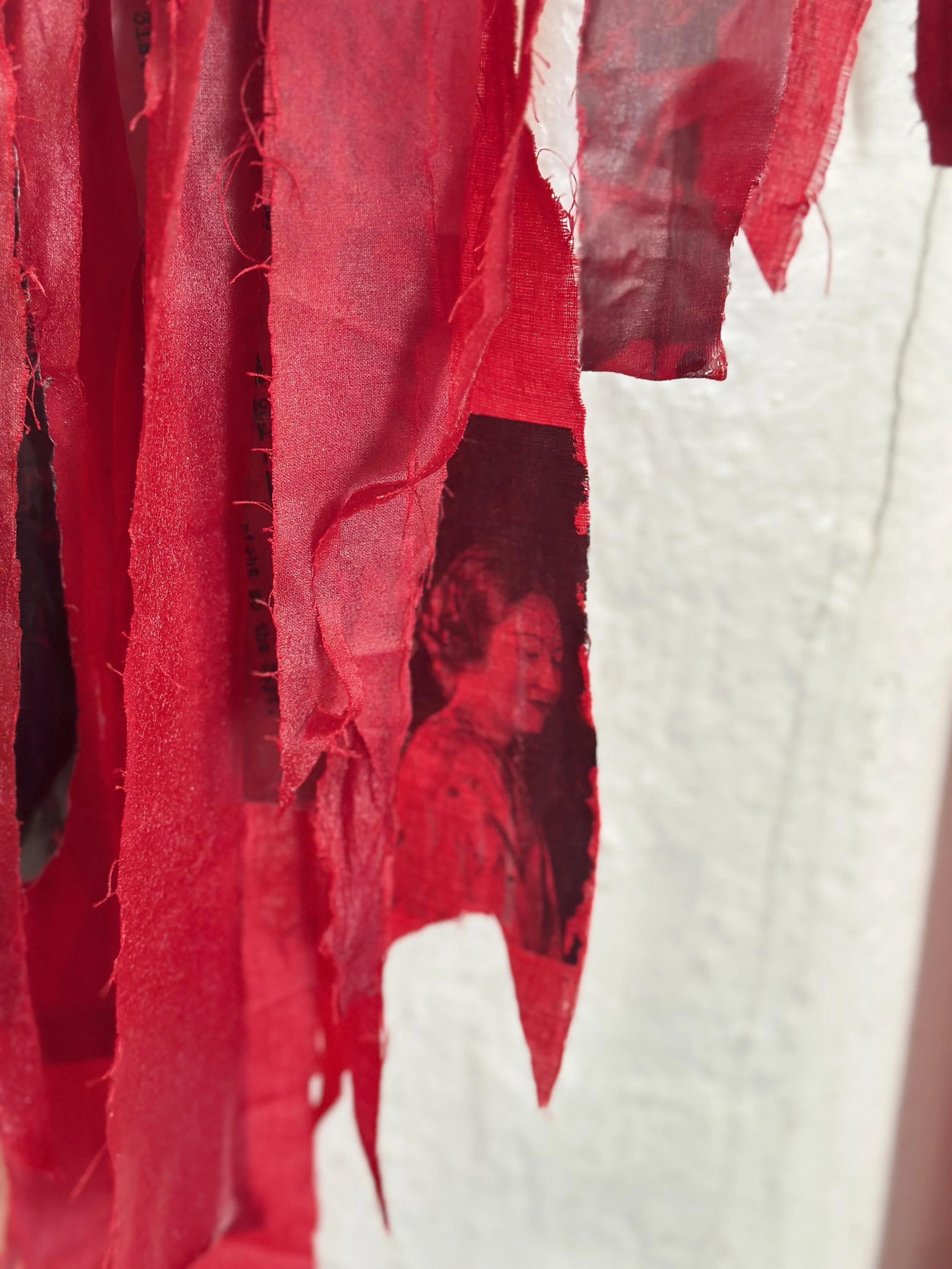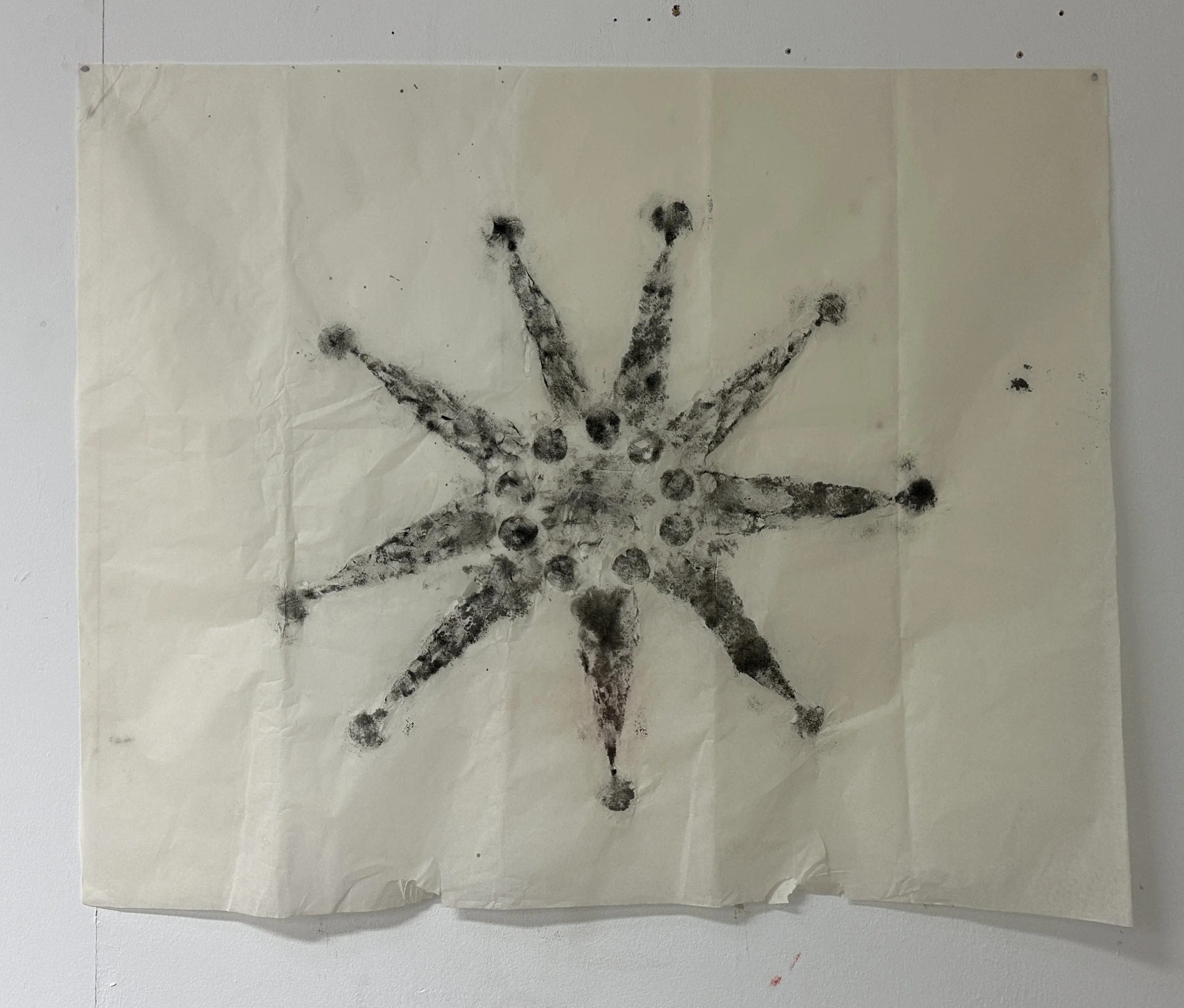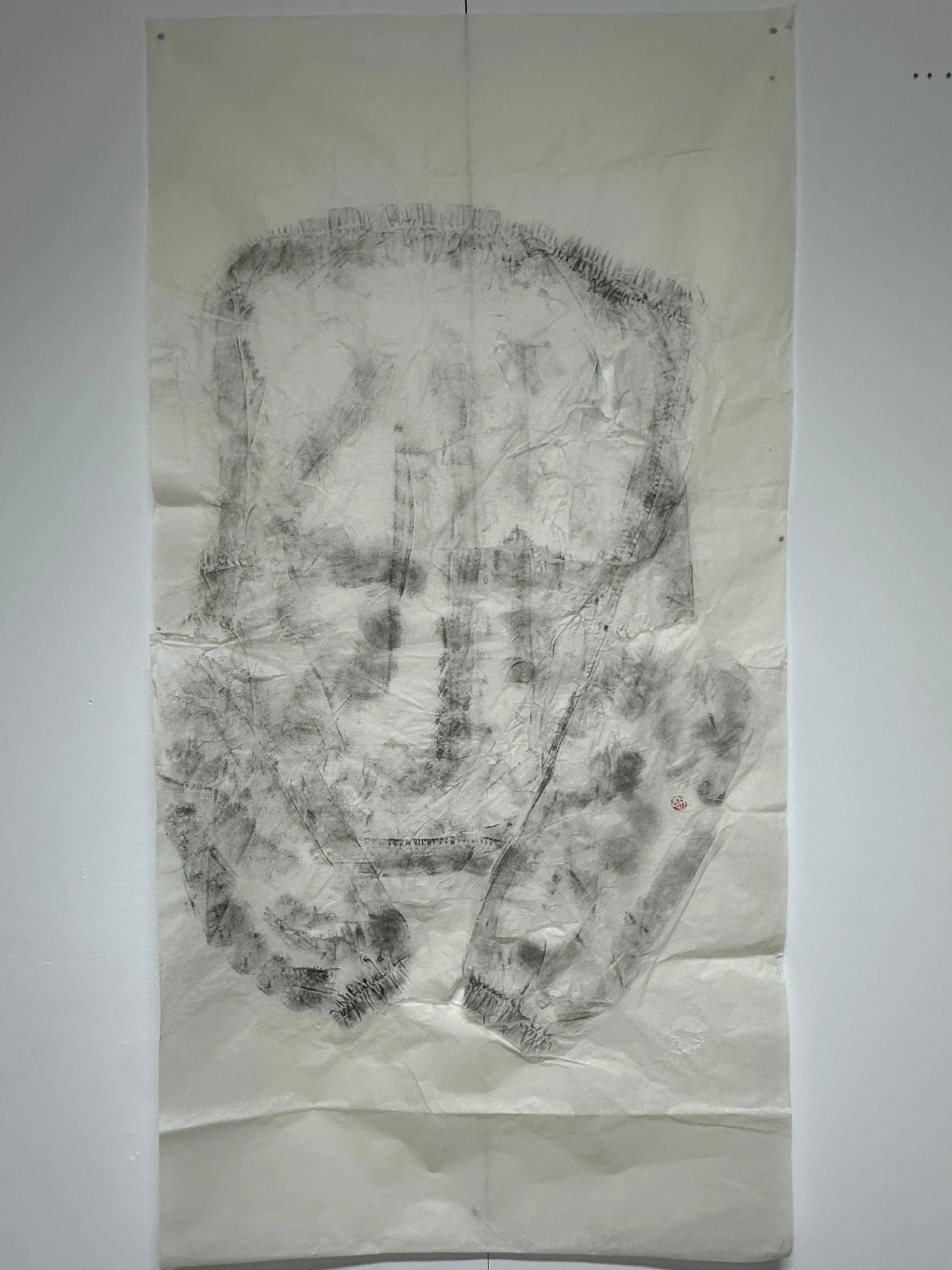
Drawing on the political conflicts and transformations of modern Eastern and Northeastern Asia, my practice begins with an inquiry into the shaping of Chinese national identity in the context of successive colonisation and occupation by Germany, Russia, and Japan. By paraphrasing individual and family histories ——including concessions, bombings, assassinations, displacement, and massacres—— and deliberately employing anachronism, I seek to reframe a suppressed and partially denied modern Chinese history in the West after the Cold War, and to show how this still hovers as a phantom in the twenty-first century. Working with sculpture, perfumery, and the traditional craft of ink rubbing, I investigate the way politics permeates and imbues all other aspects of seemingly apolitical modern life, tracing the national abjection and pride in periods of survival or defeat and in eras of insecure peace and subsequent incarnations of these wartime memories, and juxtaposing wartime propaganda and early-millennium internet textual subculture occurring in the decade and a half after the collapse of the Soviet Union.
In my work, I endeavor to construct both ephemeral and perpetual cultural spectacles, shaped by rapid political-ideological transformations and visual-cultural transplantation driven by wartime contingency and convenience. My practice traces and represents the long-ignored historical, political, and ideological complexities of Eastern and Northeastern Asia, and challenges the oversimplified narratives forged by a strategic cultural reconstruction resulting from the Cold War regional occupations and alliances of liberalism that continue to shape Western interpretations of East Asian geopolitics and regional resistances.
Ultimately, by reviewing the variations and correlations in political patterns before, during, and after wartime, I contest the singularity of modern identity based on political ideologies and nationalities defined by the division of sovereign states. Instead, my works imply a pre-treaty imaginary of national identity that once existed before the territorial partition of the designated modern international order — a pattern first established by global constituent violence in favor of colonialism and imperialism, at the cost of compromises made by many marginal and colonised polities.